Gottman identified four patterns that predict relationship breakdown: criticism, contempt, defensiveness and stonewalling. The earlier you catch them, the easier they are to change
Marriage and Relationship Counseling
Solves the Problem, Not Just the Argument
The fight was never really about the dishes
It was about feeling alone in your own home. About asking for help one too many times. About wondering whether your partner still notices you at all. When the real problem stays hidden, couples keep having the same argument, just with different words, for years.
Here is the good news: once you can see the real problem, you can solve it. That is exactly what our marriage and relationship counseling is built to do. For 25 years, we have helped couples across the country find the pattern underneath the conflict, break it, and build a relationship that feels safe, close and easy again.
- 25 years of affair recovery experience
- Couples nationwide
- Online or in person
- Confidential and judgment-free
- 25 years of affair recovery experience
- Couples nationwide
- Online or in person
- Confidential and judgment-free
- 25 years of affair recovery experience
- Couples nationwide
- Online or in person
- Confidential and judgment-free
- 25 years of affair recovery experience
- Couples nationwide
- Online or in person
- Confidential and judgment-free
- 25 years of affair recovery experience
- Couples nationwide
- Online or in person
- Confidential and judgment-free
Does This Feel Familiar?
The Psychology Behind Relationship Conflict
After 25 years of marriage and couples counseling, we see the same four forces behind most relationship problems
01
Emotional Flooding
In a heated argument, your body goes into fight-or-flight. Your heart races, your thinking narrows, and empathy shuts down. That’s why “just talking it out” so often makes things worse
02
The Four Warning Signs
03
Negative Sentiment Overrides
When enough hurt builds up, partners start hearing criticism even in neutral comments. A simple “Did you call the plumber?” lands as “You never do anything.”
04
Unmet Attachment Needs
Beneath most anger is a fear of not mattering, of being rejected or left. When that fear goes unspoken, it shows up as nagging, coldness or control.
Online infidelity counseling follows the same structured process as in-person infidelity marriage counseling, and many couples find it easier to open up from home.
Does Couples' Counseling Really Work?
Yes, and the evidence is encouraging. According to the American Association for Marriage and Family Therapy (AAMFT), more than 98% of clients of marriage and family therapists rate their services as good or excellent, and almost 90% report an improvement in their emotional health.
Counseling That Works
Results depend on both partners showing up and practicing new skills between sessions. But for most couples, counseling for couples is one of the most effective investments they can make in their relationship, their children and their own well-being.
How to solve the problem?
How Marriage and Relationship Counseling Solves These Problems
Most couples try to fix the topic of the fight. We help you fix the pattern. Here’s how our approach works for each problem
| The problem | What's really happening | How we solve it |
|---|---|---|
| Phone distraction | Repeated missed bids for attention that feel like rejection. | Build daily connection rituals and mutually agreed phone-free time. |
| Money fights | Different money histories and fears about security or control. | Understand each partner's money story and create a shared budget. |
| Distance after kids | Exhaustion, unequal workloads and little time as a couple. | Rebalance responsibilities and protect time for each other. |
| Social media jealousy | Unclear boundaries and attachment fears. | Agree on digital boundaries and rebuild trust through transparency. |
| The same fight on repeat | A pursue-withdraw cycle and emotional flooding. | Recognize the cycle, pause before escalation and repair afterward. |
| Thinking about leaving | Hopelessness after repeated attempts to fix things. | Explore what can be rebuilt and make a clear, informed decision together. |
Real life issues
The Problems American Couples Are Facing Right Now
You are not the only couple struggling, and you are not failing. Research shows the same pressures showing up in homes across the country
01
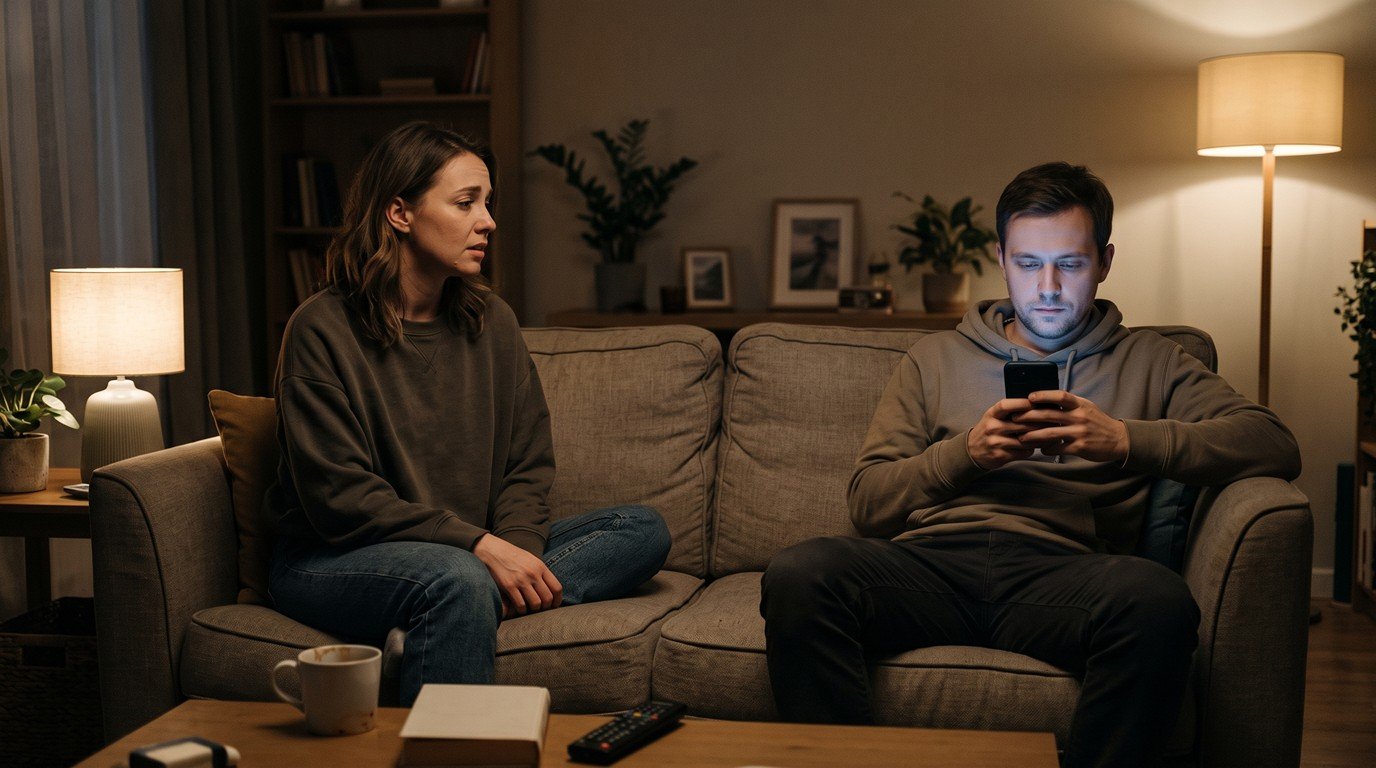
We're Together, But They're On Their Phone.
According to Pew Research Center, 51% of partnered adults say their partner is at least sometimes distracted by their cellphone when they're trying to have a conversation. Over time, those small moments of being ignored add up to feeling invisible
02
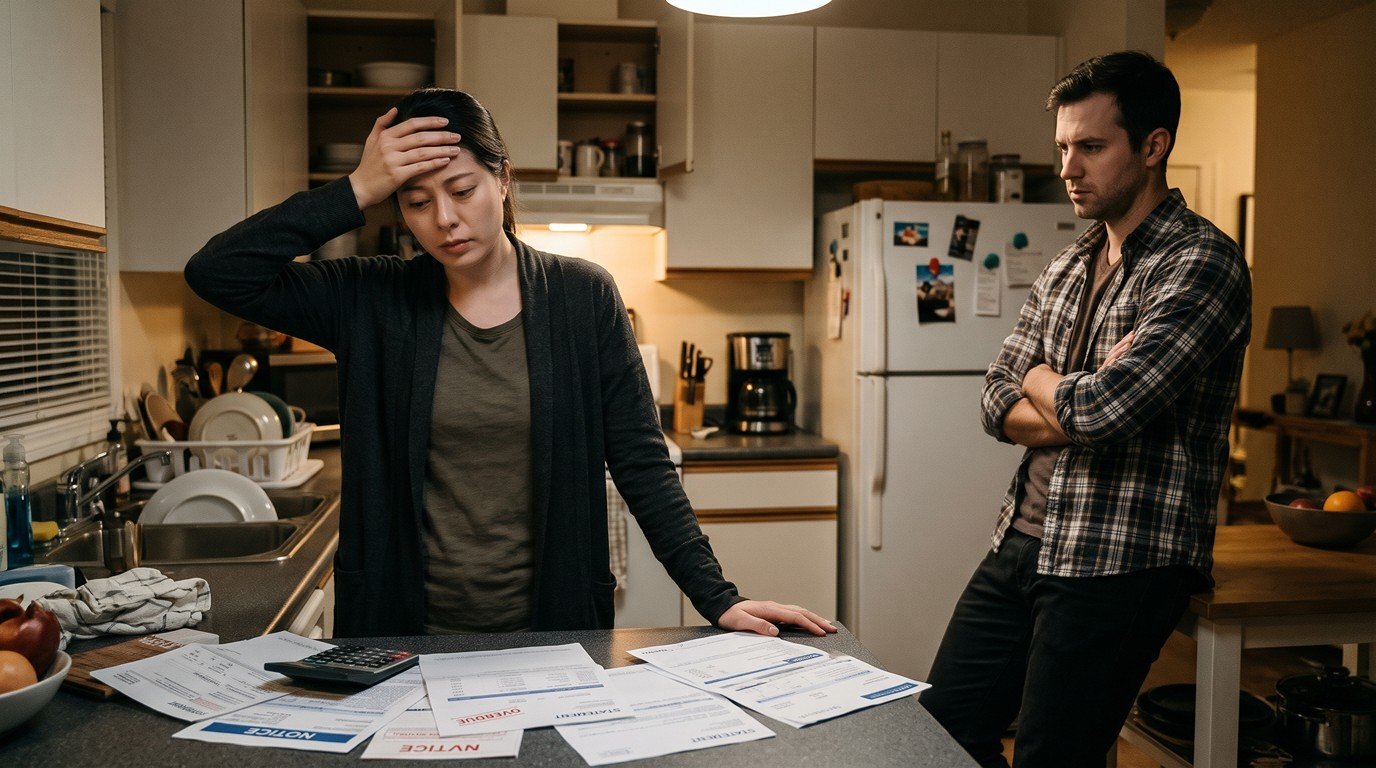
Every money conversation turns into a fight
A 2024 Ipsos survey for BMO found that one in three partnered Americans see money as a source of conflict in their relationship, and 36% admitted being untruthful about money with their spouse. Money fights are rarely about numbers. They're about trust, security and fairness
03
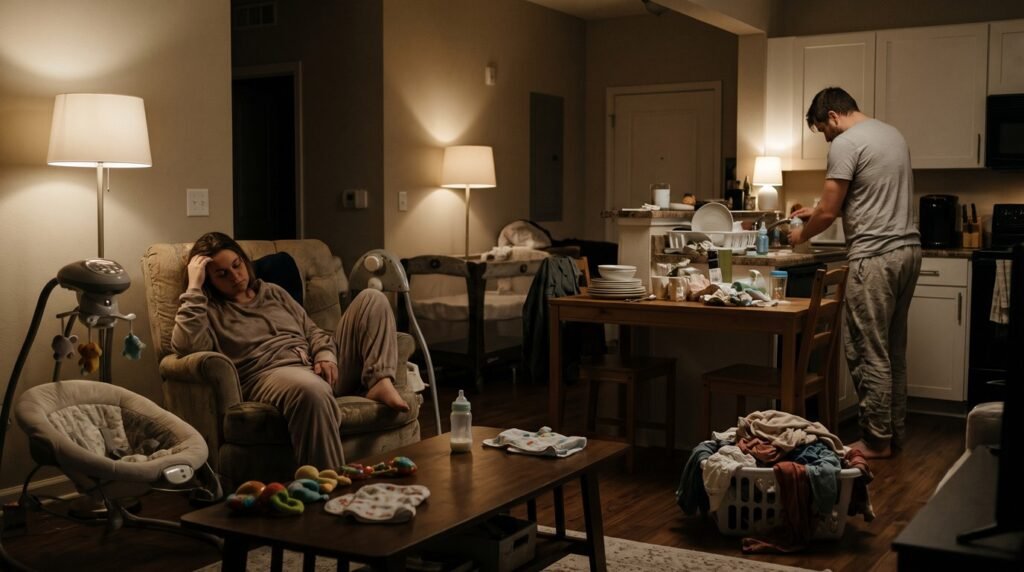
Since The Kids Came, We're Just Co-Parents
Dr. John Gottman's research found that two-thirds of couples said their relationship suffered after welcoming a child. Sleep loss, unequal workloads and zero time alone quietly turn partners into roommates
04
I Don't Trust What's Happening On Social Media
Pew also found that 23% of people whose partner uses social media have felt jealous or unsure of their relationship because of how their partner interacts with others online. Hidden chats and late-night scrolling can erode trust long before anything physical happens

05
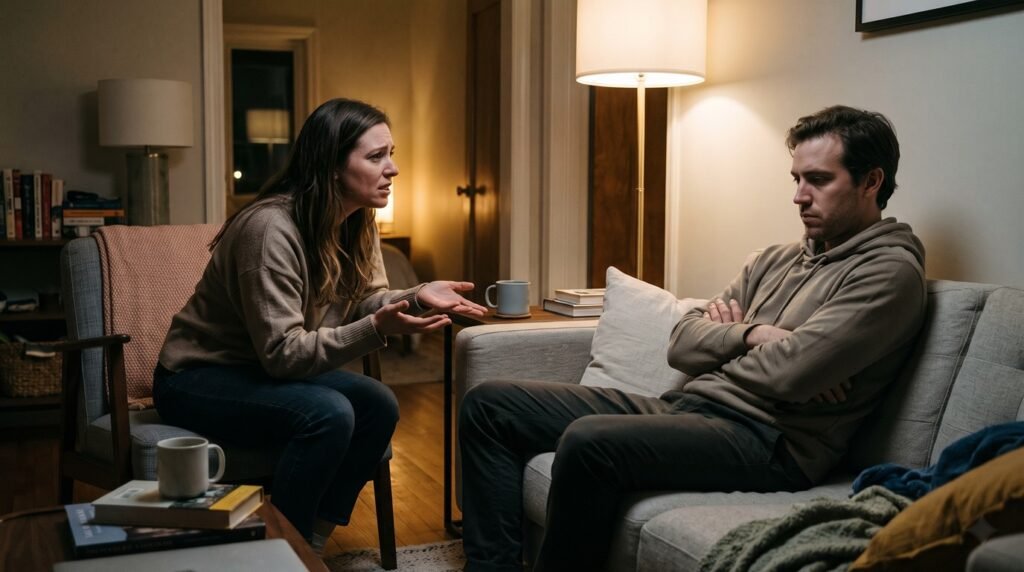
We Keep Having The Same Fight
One partner pushes to talk. The other shuts down. The more one pursues, the more the other withdraws. Neither is the villain, but both end up exhausted and resentful
06
One of us is thinking about leaving
Gottman's research also shows that couples wait an average of six years of being unhappy before getting help. By then, small hurts have hardened into walls

Relationship Counseling we offer
Our Marriage and Couples Counseling Services
We help couples and individuals navigate conflict, rebuild trust, strengthen emotional connection and work through life’s relationship challenges. From marriage and parenting struggles to infidelity recovery, our counseling offers practical guidance tailored to your needs.
Couples Marriage Counseling
For married couples who feel distant, stuck or misunderstood. Couples marriage counseling helps you break painful cycles, rebuild emotional safety and learn to raise problems without blame. It’s the core of our relationship counseling for couples, whether you’ve been married two years or twenty-five.
Marriage Counseling for Parents
Parenthood changes everything, including your marriage. Our marriage counseling for parents helps you divide responsibilities fairly, handle parenting disagreements as a team, and protect your relationship while raising children. When parents feel connected, the whole home feels calmer.
Relationship Counseling for Couples (Dating, Engaged or Living Together)
You don’t have to be married to need support. Our relationship counseling for couples helps partners at every stage work through trust issues, different expectations and decisions about the future, while building healthier communication and deeper emotional connection
Relationship Support Counseling for Individuals
Sometimes only one partner is ready to start. Relationship support counseling helps you understand your own patterns, respond differently and often change the dynamic of the whole relationship, even before your partner joins, creating space for healthier choices and lasting change.
Infidelity and Trust Repair
When trust has been broken, couples need structure, not just conversation. We guide both partners through accountability, understanding what went wrong and rebuilding trust step by step. Relationship and marriage counselling at this stage gives the hurt partner space to heal and the partner who strayed a clear path to repair
Steps to follow
Problem-Solving Steps You Can Try Tonight
Counseling works best when it’s paired with small changes at home. Here are four steps you can start today
01
Call a 20-minute time-out when you feel flooded
If your heart is racing or you’re about to say something hurtful, pause. Agree on a time to come back to the conversation, and keep that promise
02
Start hard conversations gently
Replace “You never help” with “I’m feeling overwhelmed tonight. Could you handle bedtime?” Describe the situation and your feeling, then make one clear request
03
Put the phones away for one meal a day
Even 20 minutes of undivided attention tells your partner, “You matter more than my screen.”
04
Turn toward small bids
When your partner shares something small, like a news story or a funny moment, respond with interest. These tiny moments build the trust that carries you through bigger storms
If these steps feel impossible right now, that's not failure. It's a sign the pattern is strong, and that's exactly what counseling is for
Marriage Guidance Counselling vs. Couples Therapy: What's the Difference?
You may have heard the term marriage guidance counselling, especially from friends or family in the UK or Canada. In the USA, the same service is usually called marriage counseling or couples’ counseling.
The name matters less than the approach. Good marriage guidance counselling, couples therapy and counseling for couples all share the same goal: helping two people understand each other and solve problems together. What sets our work apart is the focus on root causes. We don’t just help you survive the next argument. We help you understand why it keeps happening.
Whether you search for marriage guidance counselling, relationship and marriage counselling or marriage counseling, you’ll find the same thing here: practical, compassionate help from a counselor with 25 years of experience.
— Secure video sessions from home, the office or two different cities
— Evening and weekend appointments for working parents
— The same structure and tools as in-person sessions
— A comfortable first step for couples who feel nervous about walking into an office
Don't hesitate to connect
Online Relationship and Marriage Counseling Across the USA
Busy schedules, childcare and long commutes stop many couples from ever getting help. That’s why our marriage relationship counselling services are available online as well as in person
Our marriage relationship counselling services follow the same root-cause approach whether you join on screen or in the room
Does This Feel Familiar?
What Happens in Marriage Relationship Counseling?
Most sessions last about 50 minutes. Many couples notice a difference in how they talk to each other within the first few sessions.
01
Free consultation
Tell us what's happening. There's no pressure and no obligation.
02
Assessment
We meet with both of you, explore your history and identify the patterns driving the problem.
03
A personalized plan
You get clear goals and practical tools to use at home between sessions.
04
Steady progress
We track what's improving and adjust the plan as your relationship changes
Impact and Results
Before and After Relationship and Marriage Counseling
| Before | After |
|---|---|
| The same fight every week | Disagreements you can resolve calmly |
| Phones out, conversations cut short | Real time together, without distraction |
| Money arguments and secrets | An honest, shared financial plan |
| Feeling like co-parents | Feeling like partners again |
| "Should we split up?" | A clear, confident decision |
Support for Every Stage
Why Couples Choose Us for Marriage Relationship Counseling?
We also offer marriage and relationship counseling, couple counseling and relationship problem solutions for couples facing other challenges.
25 Years of Experience
helping couples recover from affairs
Practical Tools
for triggers, difficult questions & rebuilding trust
Faith-Friendly Options
includes Christian couples counseling

A clear, Structured Process
not endless talking in circles

Confidential and Secure
sessions, online or in person

Support For Both Partners
with no taking sides and no shaming
Answers, without pressure
Frequently Asked Questions About Marriage and Couples Counseling
It’s normal to have questions before you begin. Here are a few common ones.
Q1. What is the difference between marriage and couples counseling?
They’re very similar. Marriage counseling focuses on married partners, while couples’ counseling includes dating, engaged and cohabiting couples. Our marriage and couples counseling supports all of them
Q2. How does relationship and marriage counseling help with constant arguments?
It helps you identify the cycle behind the fights, calm emotional flooding, and learn how to raise concerns without blame, so arguments get resolved instead of repeated.
Q3. Is couples marriage counseling worth it if only one of us wants to go?
Yes. You can start with relationship support counseling on your own. When one partner changes how they respond, the relationship often begins to shift.
Q4. Do you offer marriage counseling for parents?
Yes. We help parents rebalance responsibilities, handle parenting disagreements as a team, and reconnect as a couple.
Q5. Is online relationship and marriage counselling effective?
For most couples, yes. Online sessions follow the same process as in-person sessions and are often easier to attend consistently.
Q6. How long does marriage relationship counseling take?
It depends on your situation. Many couples see progress within a few sessions, while deeper issues such as infidelity can take longer.
Take the first step together
Start Marriage and Relationship Counseling Today
You don’t need to wait six years or hit rock bottom to deserve help. Whether you’re stuck in the same argument, struggling after kids, or quietly wondering whether it’s over, couples marriage counseling can help you find the real problem and solve it together.
25 years of helping couples. Your relationship is worth it.